
How to Invest in Gold: 6 Ways for Beginers
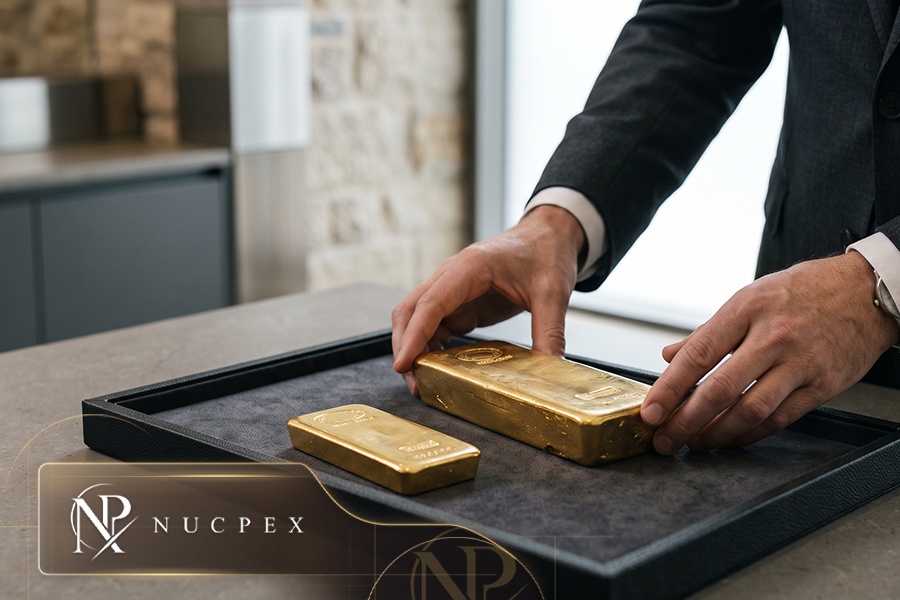
Gold has attracted investors for centuries, but buying gold today involves more choices than purchasing coins or bars. Investors can gain exposure through physical bullion, exchange-traded funds, mining companies, and other financial products.
Understanding how to invest in gold starts with identifying what you want to achieve. Some investors prioritize direct ownership, while others prefer liquidity, convenience, or portfolio diversification.
Each method has different costs, risks, and ownership rights. This guide compares six ways to invest in gold, explains what influences gold prices, and provides a practical framework for making informed decisions.
Why Do Investors Buy Gold?
Gold is widely used as a store of value and a portfolio diversifier. Unlike bonds or dividend-paying stocks, physical gold does not generate regular income, so its investment return primarily depends on changes in market value.
Gold sometimes performs well during financial uncertainty, but it is not a guaranteed inflation hedge or protection against every market decline. Its effectiveness depends on the investment horizon, purchase price, and broader portfolio composition.
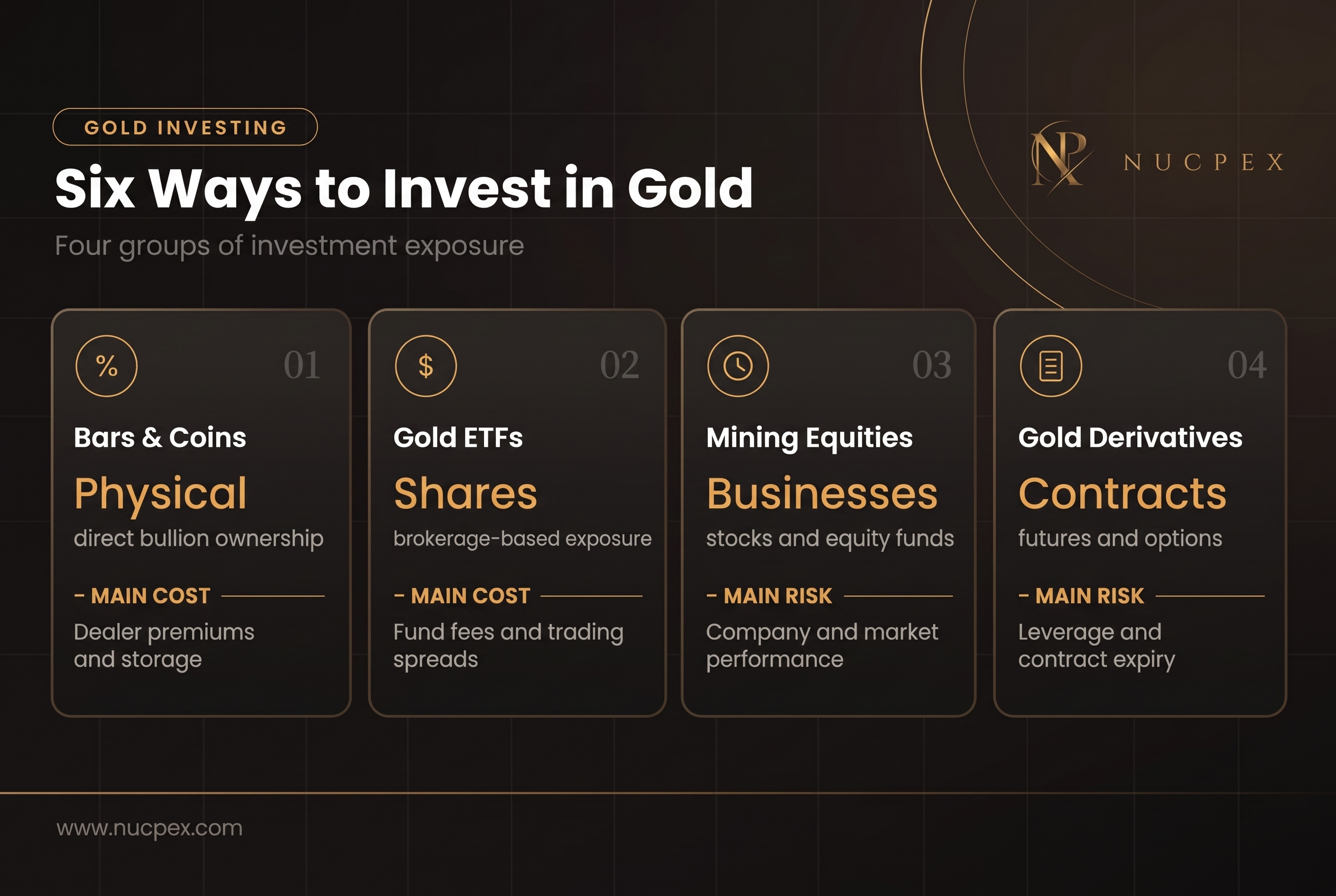
6 Ways to Invest in Gold
Investors can access gold through physical ownership or financial instruments. The most suitable approach depends on whether they want to hold the metal itself or gain exposure to its price.
The following six methods have different legal structures, operating costs, and risk profiles.
1. Physical Gold Bars
Gold bars provide direct ownership of bullion when purchased outright and held in the investor’s possession. They are available in different weights and typically priced according to their gold content plus a dealer premium.
Before purchasing, investors should check purity, refinery credentials, documentation, and resale arrangements. Smaller bars often carry higher premiums per gram, while storage and insurance create additional costs.
2. Gold Bullion Coins
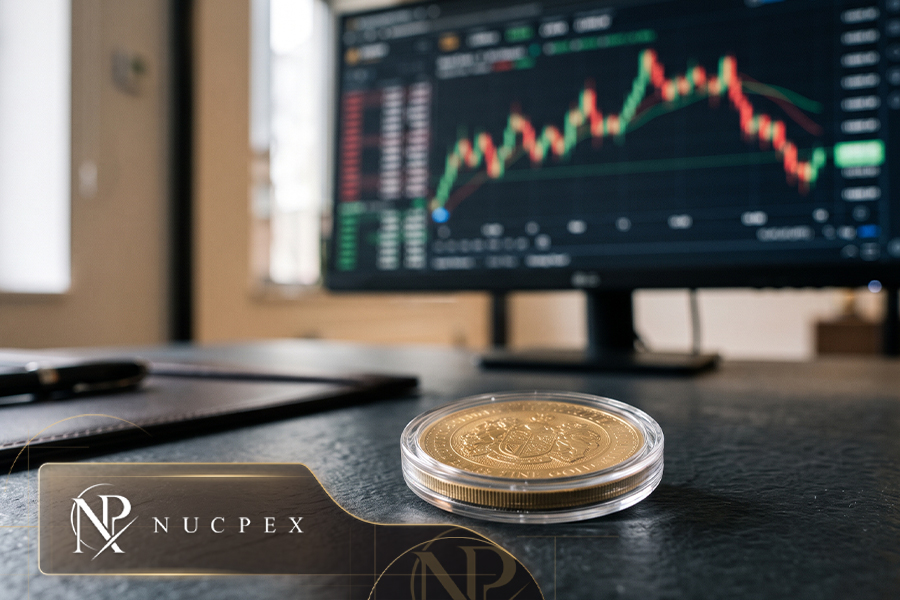
Investment-grade bullion coins offer another way to own physical gold. Their prices generally reflect the metal content plus manufacturing, distribution, and dealer premiums.
Coins issued by recognized mints may be easier to identify and resell in certain markets. However, collectible or numismatic coins can carry substantial premiums unrelated to their gold content, making them different from straightforward bullion investments.
3. Gold Exchange-Traded Funds
Physically backed gold exchange-traded products provide exposure to bullion through securities traded on financial exchanges. Investors can generally buy or sell shares through eligible brokerage accounts without arranging personal storage.
These products involve ongoing expenses, trading spreads, and product-specific custody arrangements. Some are legally structured as trusts or exchange-traded commodities rather than conventional ETFs.
For a detailed explanation, read What Is a Gold ETF? How It Works, Benefits, Risks & Costs.
4. Gold Mining Stocks
Investing in gold mining companies provides indirect exposure to the gold industry. Mining shares may benefit when gold prices rise, but their performance also depends on production costs, debt, management, and operational efficiency.
Unlike physical bullion, mining businesses may generate earnings and distribute dividends. However, company-specific problems can cause losses even when the market price of gold increases.
5. Gold Mutual Funds and Mining ETFs
Gold-related mutual funds and mining ETFs invest in portfolios of companies involved in gold production, exploration, or related activities. They offer diversification across multiple businesses rather than concentrating exposure in one company.
Investors should examine the underlying holdings carefully. A mining equity fund is not equivalent to a physically backed gold ETF because company earnings and stock-market conditions influence its returns.
6. Gold Futures and Options
Gold futures and options are derivatives that provide exposure to future gold prices. Futures create contractual obligations, while purchased options generally provide defined contractual rights subject to their terms.
These instruments can involve leverage, margin requirements, contract expiration, and significant losses. They require specialized knowledge and are generally more complex than purchasing bullion or unleveraged gold securities.
Gold Investment Options Compared
Comparing gold investments requires looking beyond their expected price movements. Ownership, liquidity, ongoing expenses, and operational responsibilities can differ considerably.
The following table summarizes the main distinctions.
| Investment | Exposure | Main Costs | Key Risk |
| Gold Bars | Physical bullion | Premium, storage | Theft, resale costs |
| Bullion Coins | Physical bullion | Dealer premium | High purchase spread |
| Physical Gold ETFs | Bullion-linked shares | Annual fee, spread | Market and product risk |
| Mining Stocks | Individual businesses | Trading fees | Company performance |
| Gold Equity Funds | Mining portfolios | Fund expenses | Equity-market risk |
| Futures and Options | Derivative contracts | Margin, fees | Leverage and expiration |
No method is universally superior. Investors should compare the total cost of obtaining, maintaining, and eventually selling each position.
How Much Does Investing in Gold Cost?
The quoted market price of gold is not necessarily the amount an investor pays. Physical dealers add premiums, while financial products can introduce brokerage fees, fund expenses, and currency conversion charges.
For example, suppose an investor purchases bullion with a hypothetical 4% premium above its metal value. If the gold’s underlying value is $5,000, the initial purchase price would be $5,200.
If the dealer later offers to repurchase it at 2% below an unchanged $5,000 metal value, the investor receives $4,900. That creates a $300 loss despite no change in the underlying gold price.
This example illustrates why buying and selling costs matter as much as headline fees. Actual premiums and resale spreads vary by product, dealer, quantity, and market conditions.
What Determines the Price of Gold?
Gold prices respond to multiple economic and financial influences. Because gold is traded internationally, developments in monetary policy, currency markets, and investor demand can affect its valuation.
Important factors include:
- Real Interest Rates: Influence the opportunity cost of holding non-yielding gold;
- U.S. Dollar: Changes the metal’s relative price for international buyers;
- Central Bank Demand: Affects long-term physical market demand;
- Investment Flows: Reflect changing institutional and retail positioning;
- Geopolitical Uncertainty: Can increase demand for perceived defensive assets.
These relationships are not mechanical. Gold can decline during uncertain periods or rise alongside other financial assets.
What Does the Gold Market Tell Us in 2026?
Recent market developments illustrate why investors should avoid relying on a single indicator. Gold demand, ETF flows, and market prices can move differently over short periods.
According to the World Gold Council’s report published October 7, 2026, global physically backed gold ETFs attracted approximately $10 billion in September, bringing third-quarter inflows to a record $31 billion.
Global ETF holdings increased to approximately 4,256 tonnes, even as the gold price declined during September. The figures demonstrate substantial investment activity but do not establish what gold prices will do next.
For long-term investors, such data is more useful as market context than as a standalone buy signal.
What Are the Main Risks of Investing in Gold?
Gold can experience substantial price fluctuations and prolonged periods of disappointing returns. Physical ownership also introduces security and liquidity considerations that differ from those associated with financial securities.
Investors should evaluate both the underlying gold exposure and the risks of the specific product used to obtain it.
Key risks include:
- Market Risk: Gold prices may fall after purchase;
- Opportunity Cost: Bullion generates no interest or dividends;
- Liquidity Costs: Selling prices may be below quoted market values;
- Custody Risk: Physical holdings require reliable protection;
- Product Risk: Funds and derivatives have distinct legal arrangements;
- Concentration Risk: Excessive gold exposure reduces diversification.
Gold’s historical reputation as a defensive asset does not guarantee capital preservation.
How to Start Investing in Gold: A Practical Framework
A structured process helps investors select an appropriate product without depending on short-term price predictions. The starting point should be financial objectives, liquidity needs, and the amount of uncertainty an investor can tolerate.
A practical checklist includes:
- Define whether the objective is diversification, ownership, or speculation;
- Choose between physical bullion and financial gold exposure;
- Compare all purchase, holding, and resale costs;
- Verify dealers, custodians, brokers, and product documentation;
- Establish an allocation consistent with the broader portfolio;
- Review the investment periodically rather than reacting to headlines.
Investors in the UAE should also verify local dealer credentials, product availability, and applicable tax treatment. The rules may differ depending on the product, transaction, and investor’s circumstances.
Final Thoughts
Learning how to invest in gold involves more than deciding whether gold prices will rise. The investment vehicle determines what an investor owns, how easily the position can be sold, and which costs or risks apply.
Physical bars and coins provide tangible ownership. Gold ETFs offer convenient market exposure, while mining shares and derivatives introduce additional sources of risk.
The most useful approach is to understand each option, evaluate its total costs, and consider how gold fits within a diversified financial plan.
At NUCPEX, we emphasize transparent financial education, independent analysis, and investment decisions grounded in realistic expectations.
Disclaimer: This article provides general financial education and does not constitute personalized investment advice. Gold investments involve market risk and potential loss of capital.
Frequently Asked Questions
1. Can I invest in gold with a small amount of money?
Yes. Some brokerage platforms offer fractional access to eligible gold-related securities, while dealers sell small bullion products. Minimum amounts and transaction costs vary.
2. Is gold jewelry a good investment?
Jewelry contains gold but often includes manufacturing charges, retail markups, and design premiums. Its resale value may not reflect the original purchase price.
3. Is digital gold the same as owning physical bullion?
Not necessarily. Digital gold products may represent allocated ownership, contractual claims, or tokenized exposure. Investors should verify legal ownership, custody, audits, and redemption rights.
No Comments Yet